1. The basic principle of UAV jamming system
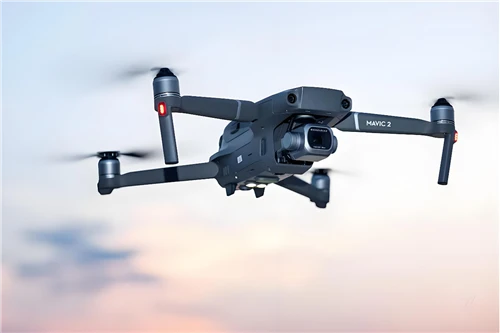
The UAV jamming system can effectively control or force the illegal UAV to land by means of electromagnetic signal jamming, GPS signal spoofing or physical interception. Among them, electromagnetic signal interference is one of the most common means. The system overcovers or overwhelms the control signal of the drone by transmitting the same interference signal as the communication frequency band of the drone, so that the communication link between the drone and the remote control is interrupted, causing the drone to lose control or enter the hovering state. GPS signal spoofing is the use of fake GPS signals to induce drones to deviate from the original course or land in a designated area. Physical interception is suitable for close-range and emergency situations, and directly blocks the flight of drones through nets, laser strikes, etc.
2. Technical characteristics of UAV jamming system
Accuracy: The system uses high-precision positioning technology and signal processing algorithms to accurately lock the location of the target UAV and implement accurate interference to reduce false positives and misoperations.
3. Application scenarios of UAV jamming system
Airport and surrounding area: The airport is an important node of airspace security, and the UAV jamming system can be deployed in the surrounding area of the airport to effectively prevent the illegal intrusion of drones and interfere with the take-off and landing of flights.
Large-scale event site: In large-scale sports events, concerts, exhibitions and other activities, the drone jamming system can protect the safety of on-site personnel and property, and prevent drones from violating privacy or causing security risks.
4. Future development of UAV jamming system
With the continuous development and popularization of UAV technology, UAV jamming system will also face more challenges and opportunities. In the future, the UAV jamming system will continue to develop in the direction of intelligence, integration and networking. In terms of intelligence, the system will pay more attention to the ability of independent identification and decision-making, improve the efficiency and accuracy of countermeasures; In terms of integration, the system will integrate more multi-function modules and sensors to achieve more comprehensive monitoring and countermeasures; In terms of networking, the system will support remote control and information sharing to achieve cross-regional and cross-departmental collaborative operations.